



Centralized Hiring…
Enhance recruitment…

Leverage Real-Time Recruitment Analytics to Drive Smarter Hiring Decisions
June 5, 2026
Strengthen Organization Budget Control with Smart Expense Reporting Systems
June 12, 2026Leverage Real-Time Recruitment Analytics to Drive Smarter Hiring Decisions
June 5, 2026Strengthen Organization Budget Control with Smart Expense Reporting Systems
June 12, 2026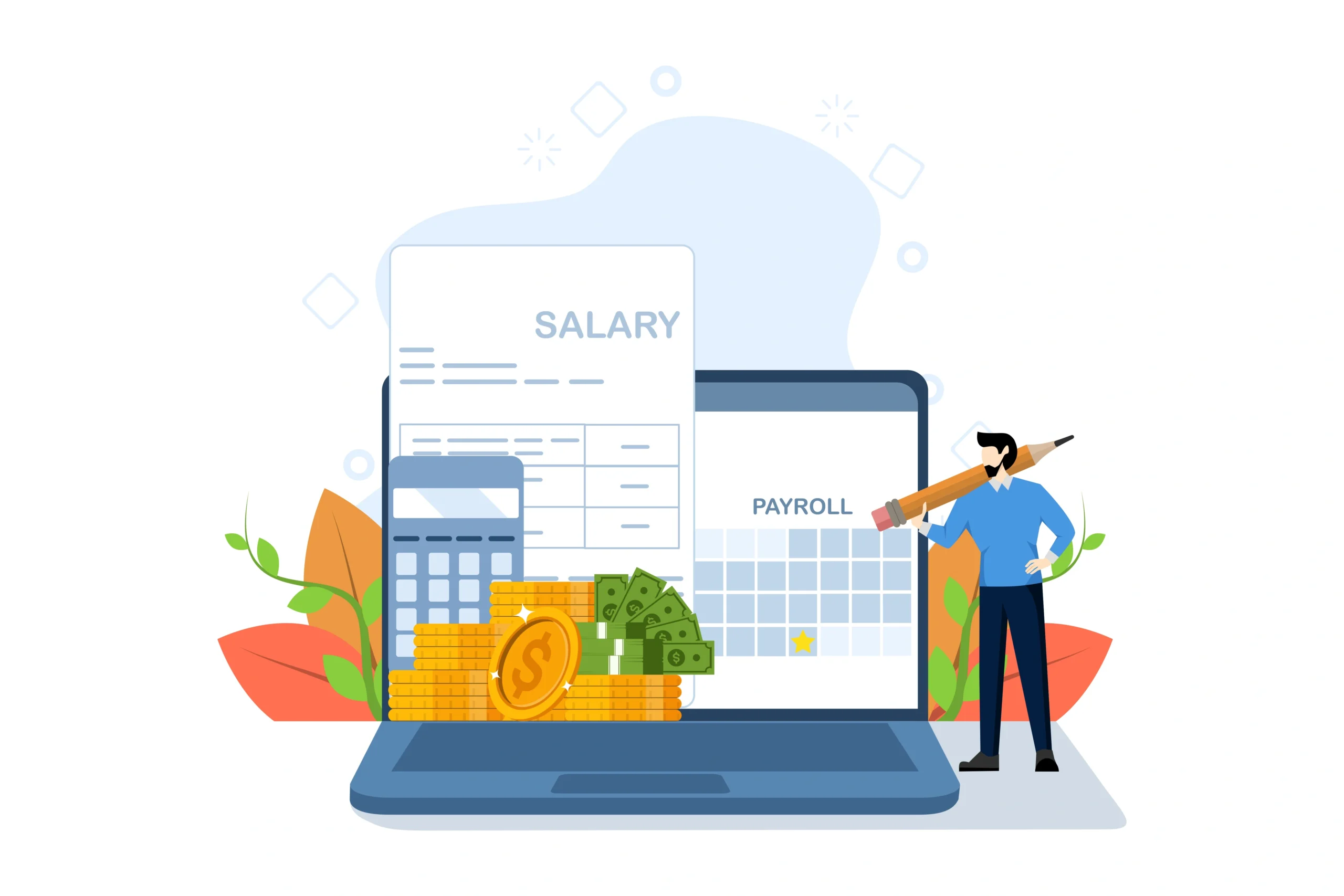
Financial planning works best when every cost is clear and predictable. Yet, one major expense often creates uncertainty payroll. Salaries, bonuses, taxes, and benefits can shift quickly. Even small changes can affect budgets and long-term plans.
This is where payroll forecasting becomes critical. It helps businesses estimate future payroll costs with clarity. With accurate forecasts, companies can plan better, reduce risks, and make smarter decisions. Many organizations now rely on payroll forecasting software to gain better visibility and control.
Payroll forecasting is the process of predicting future employee-related costs. It includes salaries, bonuses, benefits, taxes, and hiring plans.
Unlike traditional budgeting, payroll forecasting is dynamic. It adjusts as business conditions change. This allows finance teams to stay aligned with real-time data instead of relying on outdated numbers.
Key elements of payroll forecasting include:
When done right, payroll forecasting becomes a powerful tool for financial accuracy and supports effective employee cost forecasting.
Better Cash Flow Management
Payroll is often the largest expense for any business. Accurate forecasting ensures companies always have enough cash to meet payroll obligations. This strengthens payroll cost management and reduces the risk of financial stress.
Smarter Hiring Decisions
Hiring impacts both costs and growth. Payroll forecasting helps businesses plan hiring based on financial capacity. It ensures expansion aligns with revenue goals.
Improved Budget Accuracy
Static budgets can quickly become outdated. Payroll forecasting keeps budgets flexible and updated. This leads to more reliable financial plans.
Stronger Risk Management
Unexpected changes can disrupt financial stability. Forecasting allows businesses to prepare for different scenarios. This improves resilience during uncertain times.
Disconnected Data Systems
Many businesses use separate tools for HR, finance, and payroll. This creates data gaps. Without a unified view, forecasts become inaccurate.
Manual Processes and Errors
Spreadsheets are still widely used. They are time-consuming and prone to mistakes. Even small errors can lead to major financial issues.
Lack of Real-Time Insights
Outdated data leads to poor decisions. Without real-time updates, forecasts lose their value.
Difficulty in Scenario Planning
Many organizations struggle to model different situations. This limits their ability to prepare for changes like hiring surges or economic shifts.

Poor payroll forecasting can have serious consequences:
Inaccurate data does not just affect finance teams. It impacts the entire organization. This is why precision in payroll forecasting is essential.
Real-Time Data Integration
Accurate forecasting depends on connected systems. Data from HR, finance, and payroll must work together seamlessly.
Automation for Accuracy
Automation reduces manual errors. It also speeds up the forecasting process, allowing teams to focus on strategy and improve payroll forecasting accuracy.
Scenario Modelling
Businesses need to test different situations. Effective forecasting tools allow teams to explore “what-if” scenarios with ease.
Custom Reporting
Clear insights help leaders make better decisions. Advanced payroll reporting and analytics provide relevant data for different roles.
Scalability
As businesses grow, payroll becomes more complex. A good forecasting system should handle this growth without issues.
Spreadsheets and basic tools cannot keep up with modern business needs. They lack automation, real-time updates, and predictive capabilities.
Key limitations include:
These limitations make it difficult to maintain accurate financial planning.
Modern payroll forecasting software transforms how businesses plan finances.
From Reactive to Proactive Planning
Instead of reacting to changes, businesses can anticipate them. This leads to stronger financial control.
Increased Accuracy
Automated calculations and real-time data improve forecast precision. This helps organizations improve payroll forecasting accuracy and builds confidence in decisions.
Time and Cost Efficiency
Automation reduces manual work. Teams can save time and focus on strategic tasks.
Better Team Collaboration
Integrated systems align HR, finance, and leadership teams. This ensures everyone works with the same data.
Support for Business Growth
Scalable solutions help businesses manage complexity as they expand. This keeps financial planning stable during growth.
Payroll forecasting delivers value across different business scenarios:
In each case, accurate forecasts improve decision-making and reduce risks while strengthening payroll cost management.
Selecting the right solution is key to success. Businesses should look for tools that offer:
A strong solution should simplify complexity, not add to it, while enabling better employee cost forecasting.
Payroll forecasting is evolving quickly. New technologies are making it more powerful and accessible.
Key trends include:
These advancements are powered by smarter payroll reporting and analytics capabilities.
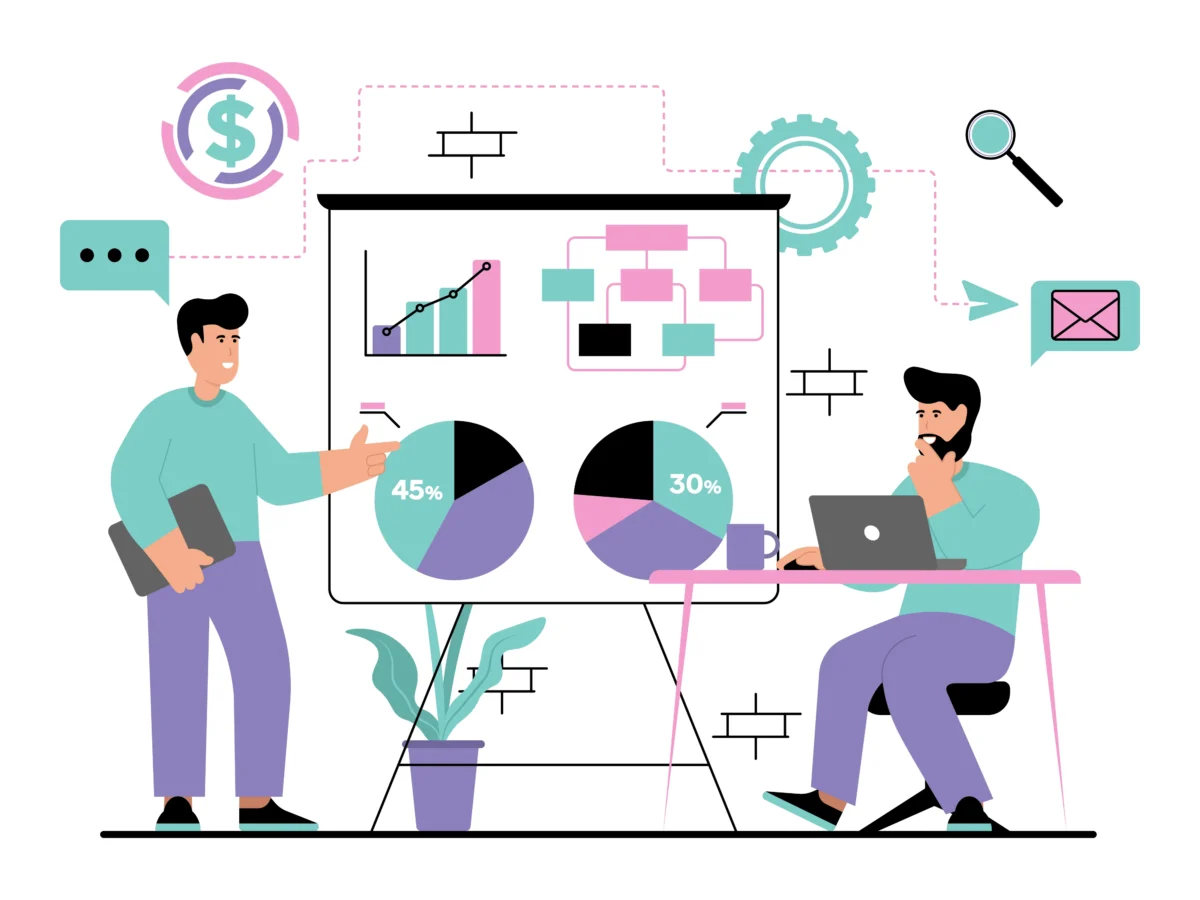
IVPHUB provides a modern and efficient way to handle payroll forecasting for growing organizations. It replaces manual spreadsheets and disconnected systems with a centralized, intelligent platform that brings payroll data, workforce planning, and financial insights together. This enables finance and HR teams to clearly understand future payroll commitments, improve decision-making, and maintain stronger control over workforce-related costs. By improving visibility and reducing complexity, IVPHUB helps businesses move from reactive planning to more accurate and proactive financial forecasting.
All payroll information is brought into a single system, eliminating data silos between HR, finance, and payroll teams. This ensures every forecast is built on consistent and reliable data.
Businesses can track and predict total workforce expenses, including salaries, benefits, bonuses, and taxes. This creates a clear understanding of long-term employee cost impact.
Forecasts automatically adjust as workforce or compensation changes occur. This keeps financial planning aligned with current business conditions.
Automation removes dependency on spreadsheets and manual calculations. This significantly reduces human error and improves forecasting accuracy.
Organizations can evaluate different workforce scenarios such as hiring increases, attrition changes, or compensation adjustments to prepare for multiple outcomes.
More precise forecasting ensures budgets reflect actual workforce costs. This helps reduce overspending and strengthens financial discipline.
The system adapts easily as businesses expand, supporting more complex payroll structures without disrupting financial planning processes.
Payroll forecasting is no longer just a financial task. It is a strategic function that drives business success.
Accurate forecasts improve planning, reduce risks, and support growth. They give businesses the clarity needed to make confident decisions.
Improve accuracy in payroll planning and reduce financial uncertainty with automated forecasting insights. Fill out the form to connect with our team and learn more about our solution.
Organizations that move beyond manual processes and adopt advanced solutions can unlock the full potential of financial planning, especially with tailored approaches like payroll forecasting for startups.
What is payroll forecasting in financial planning?
Payroll forecasting is the process of estimating future employee-related costs like salaries, taxes, and benefits. It helps finance teams align workforce spending with business budgets and cash flow planning.
Why is payroll forecasting important for businesses?
It improves financial accuracy by predicting workforce costs before they occur.
This reduces budget gaps and supports more stable financial planning decisions.
How does payroll forecasting improve cash flow management?
It gives a forward view of payroll obligations so businesses can plan liquidity in advance.
This prevents cash shortages during high payroll cycles.
What data is needed for accurate payroll forecasting?
Key inputs include headcount, salary structure, bonuses, taxes, and attrition rates.
Without these, forecasts become incomplete and unreliable for financial planning.
How does payroll forecasting reduce financial risk?
It helps identify cost fluctuations before they impact budgets or operations.
This allows companies to adjust hiring or spending decisions early.
What is the difference between budgeting and payroll forecasting?
Budgeting is a fixed financial plan, while forecasting updates continuously with real data.
Payroll forecasting reflects workforce changes, making it more dynamic and accurate.
How does payroll forecast help HR and finance teams?
It aligns hiring plans with financial capacity and prevents overspending on workforce costs.
This improves coordination between workforce planning and financial strategy.
Why do spreadsheets fail for payroll forecasting?
Spreadsheets cannot handle real-time updates or complex workforce changes efficiently.
They increase the risk of manual errors and outdated financial insights.
How does payroll forecasting improve decision-making?
It provides clear visibility into future workforce costs under different scenarios. This helps leaders make faster and more confident financial decisions.
What makes payroll forecasting more accurate in modern systems?
Automation, real-time data integration, and scenario modelling significantly improve precision. These capabilities reduce guesswork and strengthen financial planning reliability.