

Disconnected Business…
Learn how…

Improve Cost Control with Intelligent RFQ Workflow Automation software
July 10, 2026
Transform Issue Resolution Workflows with Smart Helpdesk Assignee Dashboards
July 16, 2026Improve Cost Control with Intelligent RFQ Workflow Automation software
July 10, 2026Transform Issue Resolution Workflows with Smart Helpdesk Assignee Dashboards
July 16, 2026
Employee motivation often starts strong in growing organizations. In smaller teams, recognition is natural, visible, and frequent. As the organization expands, this clarity begins to fade. Appreciation becomes inconsistent, delayed, or uneven across departments.
What once felt organic turns fragmented.
Employees begin to question fairness. High performers feel overlooked. Managers struggle to maintain consistency. Over time, motivation weakens not because effort is missing, but because recognition lacks structure.
A growing organization does not lose motivation intentionally. It loses it due to the absence of a scalable employee motivation system that ensures every contribution is acknowledged at the right time and in the right way.
Employee motivation today is shaped by more than compensation. It is driven by visibility, fairness, and timely acknowledgment.
When employees see their efforts recognized consistently, it creates a positive reinforcement loop. Recognition builds confidence. Confidence drives performance. Performance strengthens engagement.
However, motivation declines when recognition becomes unpredictable. Even strong performers disengage when effort does not translate into acknowledgment.
Consistency matters more than magnitude. A structured employee recognition system ensures that motivation is sustained, not dependent on individual managers or isolated decisions.
Inconsistent Recognition Across Teams
Without a defined system, reward allocation depends heavily on individual judgment. Different managers follow different standards. This creates imbalance across teams and reduces trust in the process.
Lack of Transparency
Employees often do not understand how rewards are distributed. When the reasoning behind recognition is unclear, it creates confusion and disengagement rather than motivation.
Delayed Appreciation
Recognition loses its impact when it is delayed. A reward given weeks after an achievement fails to create a meaningful connection with the effort.
Operational Complexity
Manual tracking, approvals, and budget management increase administrative burden. HR teams spend more time managing rewards than improving employee experience. This is where an automated reward management system becomes essential to reduce effort and improve consistency.
A scalable reward allocation system is a structured and automated framework that standardizes how rewards are distributed across an organization.
It ensures that recognition is:
Instead of relying on manual decisions, the system uses predefined rules and workflows to allocate rewards fairly across teams, roles, and locations, often powered by advanced reward distribution software.

Reward Categories and Configuration
A well-designed system defines clear reward categories based on performance, behaviours, milestones, and contributions. These categories align recognition with organizational values and objectives.
Customization ensures relevance across different teams and roles.
Automated Reward Allocation
Automation removes bias and inconsistency. Rewards are triggered based on predefined criteria such as performance metrics, achievements, or milestones.
This ensures that recognition happens at the right moment without delay, making the automated reward management system highly effective.
Budget Control and Allocation
A scalable system provides visibility into reward budgets across departments. It prevents overspending while ensuring that recognition remains frequent and meaningful.
Controlled budgets also allow better planning and optimization.
Approval Workflows
Structured workflows streamline approvals without slowing down recognition. Multi-level approvals maintain governance while keeping the process efficient.
Real-Time Recognition
Immediate acknowledgment strengthens emotional impact. Real-time rewards reinforce positive behaviour and encourage repetition through a unified recognition and rewards platform.
Data and Analytics
Analytics provide insights into reward distribution patterns. Organizations can identify gaps, track engagement trends, and align rewards with performance outcomes.
Builds Fairness and Trust
When rewards follow a clear structure, employees trust the system. Transparency removes doubts and eliminates perceptions of bias.
Drives Consistent Engagement
Frequent and predictable recognition encourages employees to stay engaged. Motivation becomes part of daily work culture rather than an occasional event, strengthening the overall workplace recognition culture.
Aligns Effort with Business Goals
Rewards tied to measurable outcomes ensure that employees focus on what drives organizational success. This creates clarity and direction through well-defined employee performance incentives.
Improves Employee Retention
Continuous recognition strengthens emotional connection with the organization. Employees who feel valued are more likely to stay and contribute long-term.
Sales Teams
Rewards linked to targets, conversions, and milestones help maintain performance momentum and healthy competition using structured employee performance incentives.
HR and Culture Teams
Programs such as peer-to-peer recognition empower employees to appreciate each other, strengthening collaboration and engagement.
Operations and Delivery Teams
Recognition for efficiency, consistency, and turnaround time ensures that critical contributions are acknowledged.
Leadership and Management
Strategic rewards highlight high-impact contributions and reinforce long-term business outcomes using a centralized recognition and rewards platform.
Organizations that rely on manual reward allocation face several challenges:
Motivation cannot sustain itself without structure. Over time, the absence of a system creates more damage than visible in early stages.
Choosing the right system requires focusing on key capabilities:
A system should not only manage rewards but also enhance employee experience at scale through reliable reward distribution software.
Moving from manual processes to a structured system requires a clear approach:
A phased transition ensures minimal disruption while improving effectiveness and building a stronger employee motivation system.
Employee motivation is evolving with technology. Modern systems are moving toward:
Organizations that adopt these advancements create a more adaptive and scalable employee recognition system.
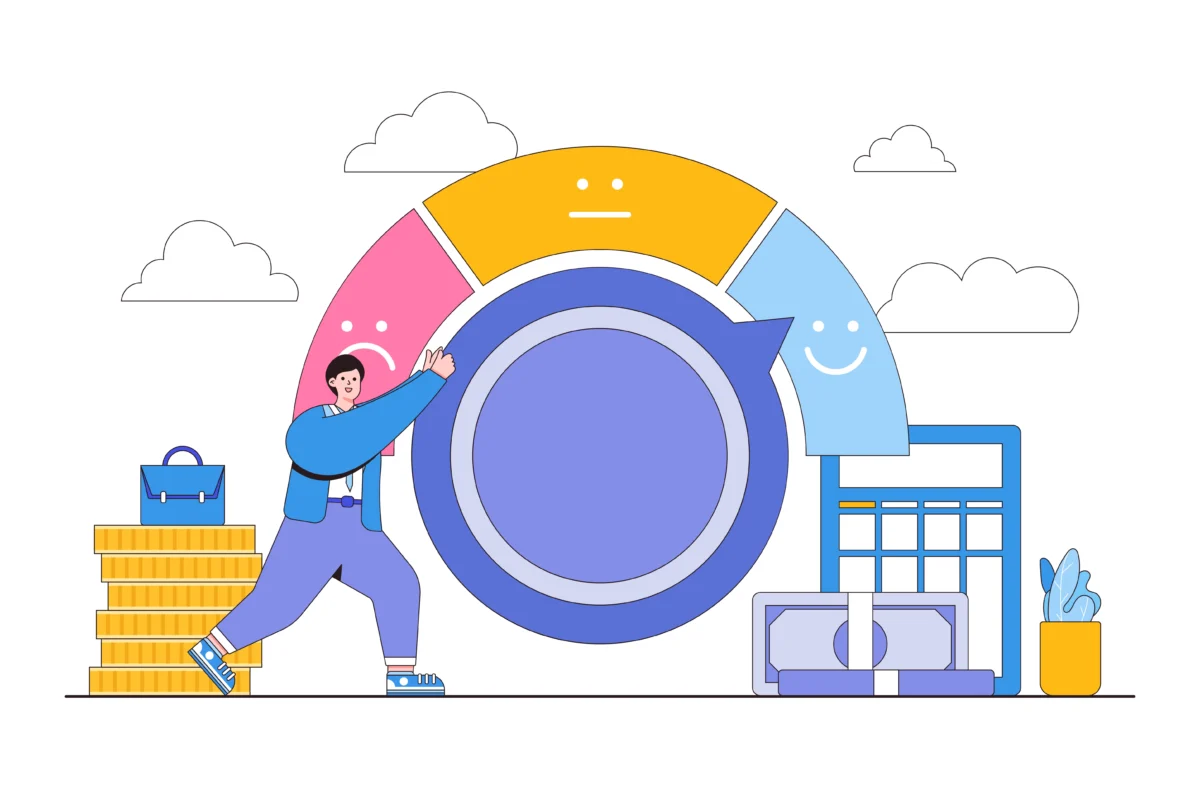
A scalable reward strategy needs more than intent it requires a system that can operate consistently across teams, roles, and geographies. IVPHUB delivers this through a structured and configurable approach to recognition. It transforms fragmented reward practices into a centralized, automated process where every contribution is acknowledged fairly and on time. By combining workflow automation, visibility, and control, the platform ensures that organizations can scale employee motivation without increasing administrative complexity.
Eliminates Inconsistency in Reward Distribution
The system standardizes how rewards are allocated across departments. Instead of manager-dependent decisions, rewards follow predefined rules, ensuring fairness and uniformity throughout the organization.
Brings Complete Transparency to Recognition
Every reward is tracked with clear visibility into who received it, why it was given, and when it was approved. This clarity builds trust and removes ambiguity in the recognition process.
Reduces Administrative Burden
Manual tracking, follow-ups, and approvals are replaced with automated workflows. HR teams and managers save time while ensuring that no recognition opportunity is missed.
Enables Real-Time and Timely Recognition
The system ensures that rewards are triggered and delivered instantly based on defined criteria. This strengthens the emotional impact of recognition and reinforces positive behaviour.
Provides Budget Control and Optimization
Organizations gain full visibility into reward budgets across teams. This prevents overspending while maintaining frequent and meaningful recognition.
Supports Multi-Level Approval Workflows
Complex approval hierarchies are simplified through structured workflows. This ensures governance without slowing down the reward process.
Delivers Actionable Insights with Analytics
With built-in analytics, organizations can understand reward patterns, identify gaps, and align recognition strategies with performance outcomes.
Strengthens a Consistent Recognition Culture
By making recognition structured and repeatable, the system helps organizations build a culture where appreciation is continuous, visible, and aligned with business goals.
Employee motivation cannot rely on occasional appreciation. It requires a structured approach that ensures consistency, fairness, and immediacy.
A scalable reward allocation system transforms recognition from a manual effort into a strategic advantage. It ensures that every contribution is acknowledged, every time, across the organization.
Take the next step toward consistent and scalable recognition with IVPHUB. Reach out to us to understand how our solution can simplify reward allocation across your teams.
Organizations that invest in structured reward systems create a culture where motivation is continuous, measurable, and aligned with growth.
A structured system that automates how rewards are assigned across teams using predefined rules. It ensures consistent, timely, and fair recognition without manual intervention.
Recognition becomes inconsistent, delayed, and dependent on individual managers. Without structure, employees lose visibility into how their efforts are valued.
Automation removes bias by triggering rewards based on defined criteria. It ensures every achievement is recognized instantly and consistently.
They lead to delays, favouritism, and administrative overload. Over time, this reduces trust and weakens overall employee engagement.
It applies uniform rules and criteria across all teams and roles. Transparency in allocation builds trust and eliminates perception gaps.
Immediate rewards create a stronger emotional connection to achievement. This reinforces positive behaviour and encourages consistent performance.
Rewards are linked to measurable outcomes like performance and milestones. This ensures employee efforts directly contribute to organizational success.
Key features include automation, budget control, approval workflows, and analytics.
These enable scalable, transparent, and data-driven recognition.
It automates tracking, approvals, and distribution of rewards. This allows HR teams to focus on strategy instead of manual processes.
Consistent acknowledgment builds long-term emotional connection with the organization.
Employees who feel valued are more likely to stay and perform better.