



Reduce Policy…
Streamline approvals…

Eliminate Forecast Errors from Inconsistent Logs with Expense Analytics Systems
August 7, 2026
Eliminate Subjective Evaluations and Improve Accuracy by Performance Management System
August 12, 2026Eliminate Forecast Errors from Inconsistent Logs with Expense Analytics Systems
August 7, 2026Eliminate Subjective Evaluations and Improve Accuracy by Performance Management System
August 12, 2026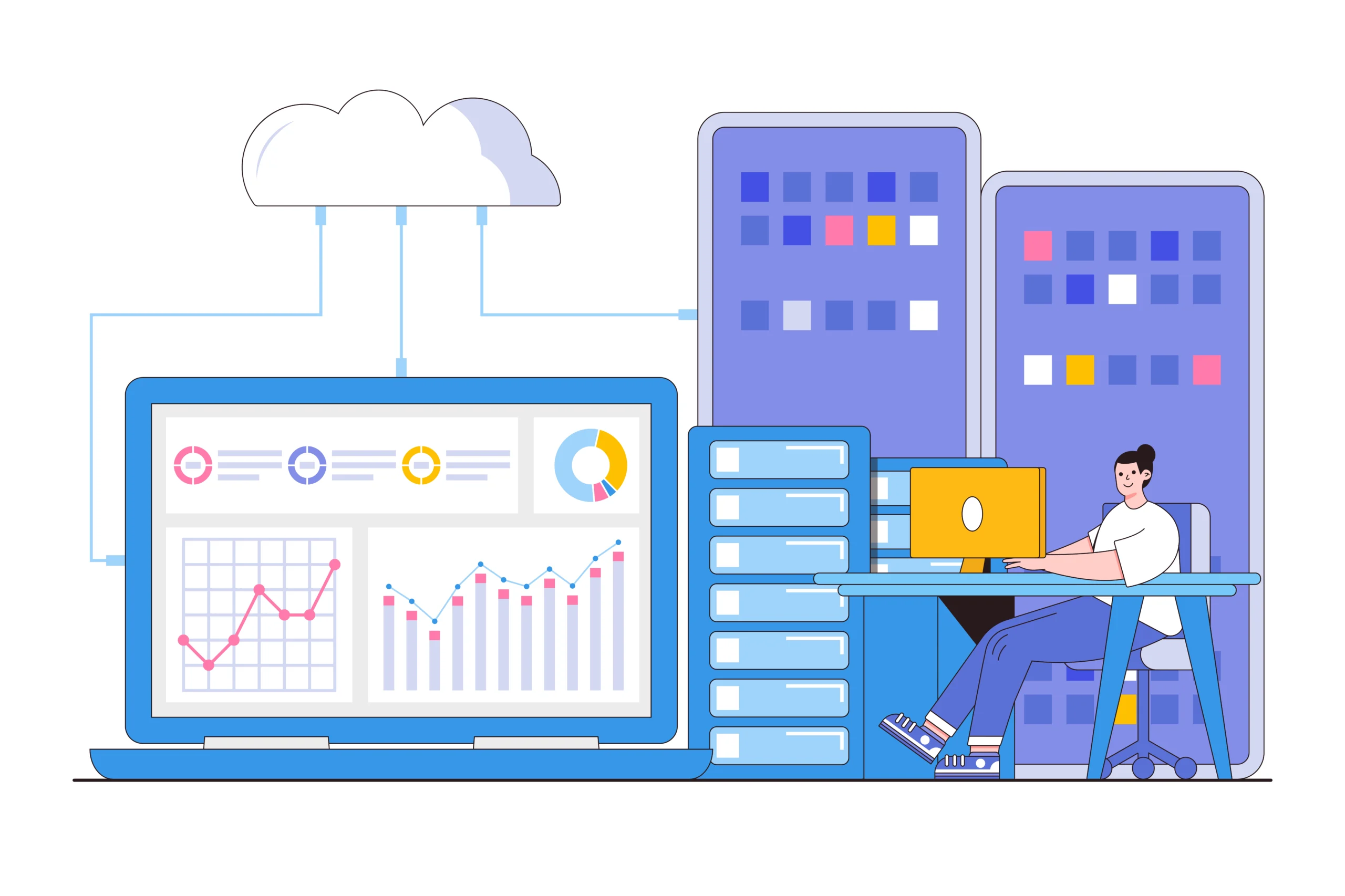
Most organizations do not struggle with the number of assets they own. They struggle with knowing where those assets are, how they are used, and what they are worth at any given moment. This gap is not caused by a lack of effort. It is caused by fragmented systems, manual tracking, and outdated records that fail to keep up with real-world movement.
A reliable asset database is not just a storage system. It is a structured, real-time foundation that supports accuracy, accountability, and control across the business. This is where an asset management system and strong asset database management practices become critical.
A reliable asset database is defined by its ability to stay accurate without constant manual correction. It should function as a single source of truth where every asset record is updated, traceable, and accessible.
Key characteristics include:
Without these elements, asset data becomes inconsistent. Over time, even small gaps create large operational inefficiencies. Strong asset database management ensures consistency at scale.
Many organizations still rely on spreadsheets, emails, and disconnected tools. These methods may work at a small scale, but they fail as operations grow.
Fragmented Data Sources Create Confusion
Different teams maintain separate records. This leads to duplicate entries, mismatched data, and no clear ownership of information. There is no unified view of assets.
Lack of Real-Time Updates Breaks Accuracy
Assets move between locations and users, but records remain static. This creates outdated information and leads to missing or untraceable assets.
No Defined Ownership Reduces Accountability
When assets are not assigned to individuals or teams, responsibility becomes unclear. During audits or loss investigations, tracing accountability becomes difficult.
Manual Audits Increase Time and Errors
Physical verification takes time and often results in inconsistencies. Manual processes increase the chance of human error and delay reporting cycles.
When asset data cannot be trusted, the impact spreads across the organization.
These issues are not isolated. They compound over time and affect both cost and performance. Lack of asset visibility solutions often sits at the root of these risks.

A smart inventory tracking system replaces static records with dynamic, real-time data. It connects asset movement with system updates, ensuring accuracy without manual effort.
Instead of maintaining lists, organizations gain a system that continuously reflects reality. A smart inventory tracking system enables this transformation with automation and real-time sync.
Core capabilities include:
This approach shifts asset management from reactive correction to proactive control. It also strengthens asset monitoring capabilities across operations.
Centralized Asset Database
All asset information is stored in one system. This eliminates duplication and ensures consistency across teams.
Real-Time Asset Tracking
Tracking technologies allow instant updates when an asset changes location or ownership. Records stay aligned with actual usage.
Asset Lifecycle Management
Every stage is recorded, including procurement, allocation, maintenance, and disposal. This creates a complete history for each asset.
Ownership and Access Control
Assets are assigned to specific users or departments. This improves accountability and simplifies tracking during audits.
Automated Alerts and Notifications
The system generates reminders for maintenance, warranty expiry, and audits. This reduces missed actions and improves asset longevity.
Accuracy is not achieved through periodic corrections. It is achieved through continuous updates and controlled processes.
A smart system ensures:
With integrated asset tracking dashboard views, teams can monitor assets in real time and improve asset utilization tracking decisions.
Once asset data becomes reliable, it can be used for more than tracking. It becomes a source of insight.
Organizations can:
This shift is powered by mature asset monitoring system frameworks and enhanced asset visibility solutions.
Choosing the right system requires a focus on capabilities that support scale and accuracy.
Important features include:
A well-designed asset ownership tracking combined with a smart inventory tracking system ensures both control and clarity.
Even with the right system, certain mistakes can limit results.
Avoiding these issues ensures that the system remains reliable and easy to use. A strong asset management system helps prevent these gaps.

A centralized CRM approach becomes truly effective when supported by a system designed to unify data, streamline processes, and enable decision-making at scale. IVPHUB addresses this by structuring customer information into a single, connected environment where interactions, engagement signals, and deal progress are continuously aligned.
Key Business Challenges Solved Through Centralized CRM Execution
Eliminating Data Fragmentation Across Teams
Disconnected systems often lead to inconsistent customer records and duplicated efforts. A centralized approach ensures that all departments operate on a unified dataset, reducing errors and improving coordination across sales, marketing, and support functions.
Improving Pipeline Visibility for Leadership
Lack of visibility into deal progression makes forecasting unreliable. With centralized records, leadership gains a clear view of pipeline movement, stalled opportunities, and conversion trends, enabling more accurate planning and faster interventions.
Strengthening Engagement-Based Decision Making
Customer intent is reflected through interactions and engagement signals. By capturing and aligning this data within a single system, businesses can prioritize opportunities more effectively and focus on high-value prospects.
Reducing Manual Dependency Through Automation
Manual data entry and follow-ups slow down execution and introduce inconsistencies. Automation ensures that interactions are logged, tasks are triggered, and updates are reflected in real time, allowing teams to focus on strategic activities.
Enabling Role-Based Access and Operational Control
Different stakeholders require different levels of visibility. Structured access ensures that sales teams, managers, and administrators interact with the system in a way that supports their specific responsibilities without compromising data integrity.
Connecting CRM With Broader Business Operations
Customer data does not exist in isolation. Integrating CRM with other business functions enables a complete view of the customer lifecycle, improving collaboration and ensuring that decisions are made with full organizational context.
A reliable asset database is not built through effort alone. It requires a system that captures, updates, and validates data continuously.
A smart inventory tracking system provides this foundation. It replaces fragmented records with a unified, real-time view of assets. It improves accuracy, strengthens accountability, and supports better decisions across the organization.
Build a more reliable and structured asset system with IVPHUB designed for real operational control. Connect with us to see how your asset processes can become simpler and more accurate.
When asset data becomes reliable, operations become more efficient, financial reporting becomes more accurate, and compliance becomes easier to manage. The result is not just better asset tracking, but stronger overall business control supported by an advanced asset monitoring system.