

Reduce Policy…
Streamline approvals…

Salary Structure Customization in Salary Management System for Payroll Accuracy
September 24, 2026
Reduce Policy Violations from Manual Checks with Smart Expense Approval Controls
September 30, 2026Salary Structure Customization in Salary Management System for Payroll Accuracy
September 24, 2026Reduce Policy Violations from Manual Checks with Smart Expense Approval Controls
September 30, 2026
Assets rarely fail because they are unusable. They lose value because they are unmanaged. In most organizations, assets such as IT equipment, machinery, tools, and infrastructure are purchased with a clear budget but without a structured long-term control system. Over time, usage becomes unclear, maintenance is delayed, and records become inconsistent. The result is simple: asset value drops faster than expected.
This is not only a financial concern. It affects productivity, planning, and operational stability.
Modern businesses are shifting toward asset lifecycle management software to bring structure into every stage of asset usage. The goal is not just tracking assets, but extending their usable life and improving return on investment.
Asset Lifecycle Management Software is a centralized system designed to manage assets from the moment they are acquired until they are retired.
It connects every stage of an asset’s journey into one structured flow:
Instead of scattered records, organizations gain a single source of truth for all assets.
This structured approach directly improves asset value because decisions are based on real-time data, not assumptions.
When asset management lack’s structure, value loss happens silently. The biggest issue is not failure, but inefficiency.
Key challenges include:
Structured lifecycle management addresses these gaps by introducing control at every stage. This ensures assets are used fully before replacement decisions are made.
A structured system improves value retention by managing each stage carefully.
Asset value begins at the purchase stage. Poor planning leads to overbuying or selecting unsuitable assets.
Lifecycle software ensures:
Better planning reduces unnecessary replacements later.
Once assets are purchased, allocation determines how efficiently they are used.
A structured system ensures:
This prevents duplication and improves utilization.
This is the most critical stage for value retention.
Without tracking, assets are often underused or misused. Lifecycle software improves utilization by:
Higher utilization directly increases asset ROI.
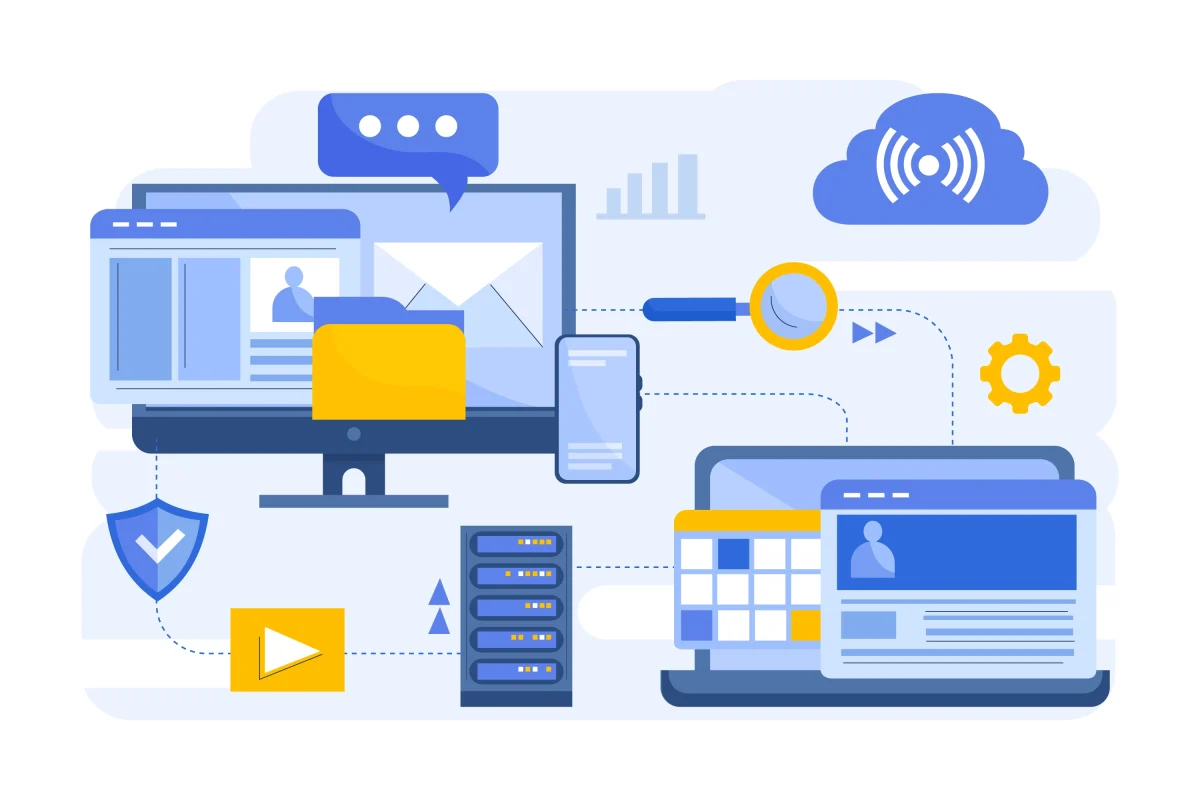
The real advantage lies in how the system connects all stages into one continuous cycle.
Improved Asset Utilization Across the Organization
Assets are no longer locked in one department. Visibility enables sharing and redistribution, reducing unnecessary purchases.
Reduced Downtime Through Predictive Maintenance
Maintenance becomes proactive instead of reactive. Early alerts reduce breakdowns and extend asset life.
Better Financial Control Through Accurate Depreciation Tracking
When depreciation is tracked properly, organizations understand true asset value. This avoids premature replacement decisions.
Lower Total Cost of Ownership
Structured lifecycle management reduces emergency repairs, unplanned purchases, and inefficiencies, directly improving total cost of ownership optimization across the organization.
A strong lifecycle system is built on multiple interconnected modules.
Asset Inventory Management Module
Provides a centralized asset register with real-time tracking and classification.
Asset Allocation Module
Manages assignment, transfers, and usage history across departments.
Maintenance Management Module
Automates preventive maintenance schedules and service workflows.
Depreciation Management Module
Tracks financial value changes and supports accurate reporting.
Compliance and Audit Module
Ensures all asset records remain audit-ready and traceable through asset audit management software and structured governance layers.
Asset Disposal Module
Manages retirement workflows and end-of-life decisions.
Modern lifecycle systems include features that directly increase asset value retention:
These features ensure accuracy and continuous monitoring.
Large organizations require unified control across multiple assets, locations, and departments.
A strong system provides an enterprise asset visibility dashboard that consolidates:
This visibility eliminates blind spots in asset management and improves decision-making speed.
Different industries use lifecycle systems to protect asset value in unique ways.
Manufacturing Sector
IT and Technology Companies
Healthcare Industry
Education Sector
Logistics and Transportation
To understand lifecycle effectiveness, organizations track:
These indicators show how well asset value is being preserved.
Organizations relying on manual systems face recurring issues:
These challenges directly reduce asset lifespan and financial value.

Asset management is evolving rapidly with technology.
Future trends include:
These advancements will further extend asset value and reduce operational waste.
IVPHUB enables organizations to bring structure into asset lifecycle management by connecting asset inventory, allocation, maintenance, and compliance into a single system. Instead of fragmented tracking, it provides consistent visibility across every stage of the asset journey, helping teams improve utilization, control maintenance cycles, and make better financial decisions.
Centralized Asset Visibility Across the Organization
IVPHUB brings all asset data into one platform, eliminating scattered records. This ensures every asset is visible, traceable, and accessible for decision-making.
Structured Asset Allocation and Ownership Control
Assets are clearly assigned to departments or employees with complete tracking history. This reduces duplication and improves accountability across teams.
Planned Maintenance and Reduced Asset Downtime
IVPHUB supports scheduled maintenance workflows and service tracking. This helps prevent unexpected breakdowns and extends the operational life of assets.
Accurate Asset Data for Financial and Operational Decisions
With consistent asset records and lifecycle tracking, teams can rely on accurate data for planning, reporting, and replacement decisions.
Audit-Ready Asset Records and Compliance Control
Every asset action is recorded and maintained within the system. This ensures better audit readiness and simplifies compliance tracking.
Improved Utilization Through Better Asset Tracking
IVPHUB helps identify underutilized assets and supports better redistribution. This ensures assets are fully used before additional investments are made.
Extending asset value is not about extending usage blindly. It is about controlling every stage of the asset journey with structure and visibility.
A structured asset lifecycle management software ensures:
For better visibility and structured asset lifecycle management, IVPHUB offers a unified approach. Reach out to us through the form and our team will follow up shortly.
In a competitive environment, organizations that manage assets intelligently consistently outperform those that rely on manual or fragmented systems.
It is a system that tracks an asset from purchase to retirement in a structured way. It ensures visibility, control, and value optimization across every stage.
It reduces idle time, improves maintenance timing, and prevents early replacement. This extends usable life and increases return on investment.
Assets lose value due to poor tracking, delayed maintenance, and unplanned usage. Lack of structured control accelerates wear and financial depreciation.
Maintenance ensures assets operate efficiently without breakdowns. Preventive scheduling reduces repair costs and extends operational lifespan.
Accurate tracking improves utilization and reduces asset duplication. It also helps teams make faster, data-driven operational decisions.
Manual tracking relies on static records and human updates. Lifecycle software provides real-time data, automation, and complete asset visibility.
It minimizes emergency repairs, unnecessary purchases, and asset downtime. This leads to lower total cost of ownership over time.
It helps businesses understand the real financial value of assets. Accurate depreciation prevents premature replacement and improves budgeting.
Yes, it maintains complete asset history, ownership, and usage records. This makes audits faster and compliance reporting more accurate.
Manufacturing, IT, healthcare, and logistics benefit the most. These sectors rely on high-value assets that require continuous monitoring and control.