

Reduce Policy…
Streamline approvals…
Reliable Asset Database management starts with Inventory Tracking Systems
August 7, 2026
Fix Operational Blind Spots with Continuous Timesheet Management Tracking
August 12, 2026Reliable Asset Database management starts with Inventory Tracking Systems
August 7, 2026Fix Operational Blind Spots with Continuous Timesheet Management Tracking
August 12, 2026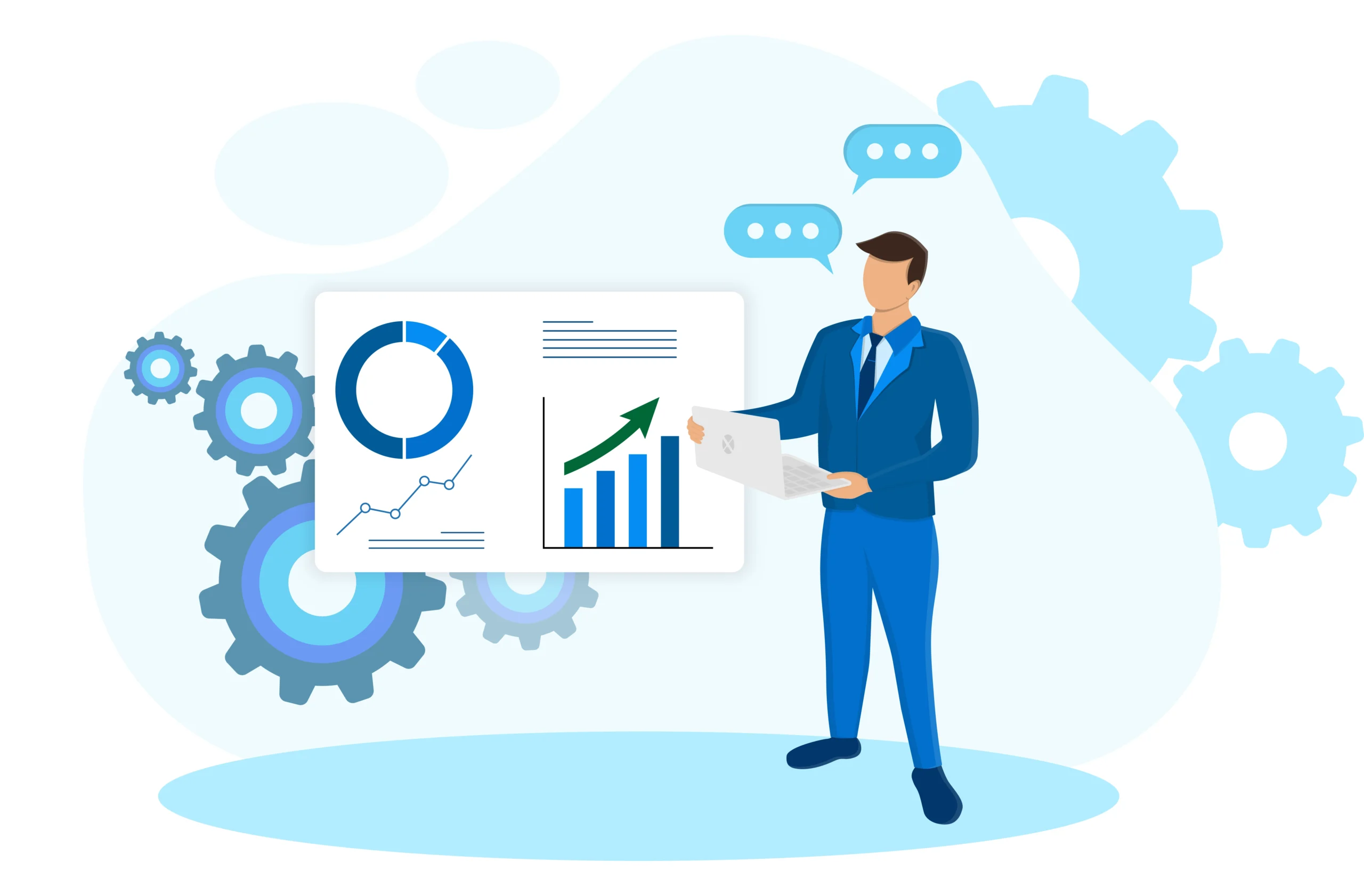
Performance reviews shape decisions that impact growth, compensation, and long-term talent strategy. Yet many organizations still rely on evaluation methods influenced by personal judgment instead of measurable data. This creates a gap between actual performance and recorded outcomes.
Subjective evaluations often appear efficient, but they reduce accuracy at scale. When decisions are based on memory, perception, or inconsistent standards, organizations struggle to identify true performance patterns. Over time, this leads to misaligned promotions, disengaged employees, and weak workforce planning.
Performance management software changes this by introducing structure, consistency, and data-backed evaluation frameworks. It transforms performance reviews from opinion-based processes into measurable systems that support better decisions, especially within a modern performance appraisal system.
Subjectivity enters performance management when there is no clear structure guiding evaluation. Without defined criteria, managers rely on personal interpretation, which leads to inconsistent results and deeper performance management challenges.
Inconsistent Evaluation Standards Across Teams
Different managers often use different benchmarks for evaluating performance. One team may prioritize output, while another focuses on effort or behaviour. Without standardized criteria, performance ratings lose reliability.
Performance management software enforces uniform evaluation frameworks. It ensures that every employee is assessed against the same measurable standards, improving consistency across departments and addressing performance review problems.
Bias Influences Performance Outcomes
Human bias is difficult to eliminate in unstructured systems. Recency bias, favouritism, and perception gaps affect how employees are rated. These biases distort performance outcomes and reduce accuracy.
Structured performance management software introduces objective metrics and multi-source inputs. This reduces dependence on individual judgment and creates a more balanced evaluation process.
Lack of Measurable Performance Data
When performance tracking is not continuous, managers depend on memory during review cycles. This results in incomplete or inaccurate assessments.
Performance management software captures data in real time. It records progress, feedback, and outcomes throughout the cycle, ensuring evaluations are based on actual performance evidence supported by performance metrics tracking.
Subjective evaluations do not just affect individuals. They create ripple effects across the organization.
Misaligned Promotion and Compensation Decisions
When performance data is inaccurate, high performers may be overlooked while average performers receive higher ratings. This weakens leadership pipelines and affects long-term growth.
Reduced Employee Trust and Engagement
Employees expect fairness in evaluations. When ratings appear inconsistent or unclear, trust declines. This leads to disengagement and reduced productivity, often linked to gaps in employee productivity tracking.
Poor Workforce Planning
Inaccurate performance insights limit an organization’s ability to plan effectively. Talent decisions become reactive instead of strategic.
Limited Visibility into Real Performance
Without structured tracking, organizations lack a clear view of individual contributions. This makes it difficult to identify strengths, gaps, and development needs.
Structured performance management replaces ambiguity with clarity. It defines how performance is measured, tracked, and evaluated.
Defined Goals and Measurable KPIs
Clear goals provide direction and accountability. Measurable KPIs ensure that performance can be tracked objectively.
Performance management software enables organizations to set, monitor, and update goals in a structured way using tools similar to KPI tracking software, ensuring alignment between individual performance and business outcomes.
Standardized Evaluation Frameworks
Uniform rating scales and role-based criteria eliminate inconsistencies. Employees are evaluated against predefined benchmarks, not personal opinions. This is essential in learning how to standardize employee evaluations effectively.
Continuous Feedback Mechanisms
Regular feedback improves accuracy. It ensures that performance is evaluated based on ongoing contributions rather than isolated observations.
Performance management software supports continuous check-ins, making feedback a consistent part of the workflow.
Multi-Dimensional Evaluation
Structured systems include inputs from multiple sources. Manager, peer, and self-evaluations provide a broader perspective, reducing bias and improving reliability.

Performance management software introduces systems that eliminate guesswork and improve decision quality.
Centralized Performance Data
All performance-related information is stored in one place. Goals, feedback, and outcomes are tracked consistently. This creates a reliable data foundation for evaluations.
Automated Review Workflows
Automation ensures that reviews follow a structured process. Timelines, reminders, and approvals are managed within the system, reducing delays and inconsistencies.
Real-Time Performance Tracking
Performance management software tracks progress continuously. This ensures that evaluations reflect actual work rather than partial recollection, reducing recurring performance review problems.
Calibration and Rating Alignment
Calibration tools help standardize ratings across teams. They ensure that performance scores are consistent and comparable across the organization.
The effectiveness of performance management software depends on how well it supports structured evaluation.
Goal Tracking Systems
Goal tracking ensures that employees work toward measurable outcomes. It provides visibility into progress and performance gaps.
KPI-Based Evaluation Models
Role-specific KPIs create clarity. They ensure that performance is measured based on relevant metrics and skill tracing instead of generic expectations.
Continuous Feedback Systems
Feedback systems allow managers and employees to record inputs throughout the cycle. This improves transparency and evaluation accuracy.
Performance Analytics Dashboards
Analytics provide insights into trends, patterns, and performance distribution. This supports better decision-making at both individual and organizational levels.
Integrated Data Environment
Performance data becomes more valuable when connected with other systems. Integration ensures that evaluations reflect a complete view of employee activity.
Structured evaluation systems do more than improve accuracy. They influence overall business performance.
Improved Decision-Making
Accurate data leads to better promotion, compensation, and development decisions. Organizations can identify top performers with confidence.
Increased Transparency
Clear evaluation criteria improve trust. Employees understand how performance is measured and what is expected of them.
Higher Productivity Levels
When goals are clear and measurable, employees stay focused. This leads to improved efficiency and better outcomes.
Stronger Talent Retention
Fair and consistent evaluations create a positive work environment. Employees are more likely to stay when they feel recognized and valued.
Organizations often recognize the need for structured systems when challenges become consistent.
These signs reflect deeper performance management challenges that require structured solutions.

IVPHUB brings structure and clarity to performance management by replacing opinion-based reviews with measurable, data-driven evaluation systems. It standardizes how performance is defined, tracked, and assessed across teams, ensuring consistency in every review cycle. By combining real-time feedback, goal tracking, and analytics, IVPHUB helps organizations reduce bias, improve evaluation accuracy, and make more confident talent decisions. The result is a performance process that is transparent, scalable, and aligned with actual business outcomes.
Structured Goal and KPI Alignment
IVPHUB enables organizations to define clear, measurable goals aligned with roles and business objectives. This removes ambiguity and ensures performance is evaluated against consistent benchmarks rather than personal interpretation.
Continuous Feedback and Check-ins
The platform supports ongoing feedback throughout the review cycle. This ensures evaluations are based on continuous performance data instead of end-cycle recollection, improving accuracy significantly.
Standardized Evaluation Frameworks
IVPHUB provides uniform rating systems and configurable review templates. This ensures every employee is assessed using the same criteria, reducing inconsistencies across teams.
Data-Driven Performance Tracking
All performance data is captured and centralized, allowing managers to evaluate employees based on actual contributions. This eliminates reliance on memory and improves decision quality.
Calibration and Fair Rating Systems
IVPHUB supports performance calibration to align ratings across departments. This reduces bias and ensures fair comparisons, especially in large or multi-team organizations.
Performance Analytics and Insights
Advanced dashboards provide visibility into performance trends and gaps. These insights help leaders make informed decisions around promotions, rewards, and development.
Integrated Performance Ecosystem
IVPHUB connects performance data with broader HR functions, creating a unified view of employee activity. This ensures evaluations reflect complete and accurate performance context.
Subjective evaluations reduce accuracy by introducing inconsistency, bias, and incomplete data into performance management. As organizations grow, these challenges become more visible and more costly.
Performance management software addresses this by creating structured, measurable, and transparent evaluation systems. It replaces opinion-based reviews with data-driven insights, enabling organizations to make better decisions at every level.
Bring structure and accuracy to your performance evaluations with IVPHUB. Connect with us to explore how it fits your organization’s needs.
Accurate performance evaluation is no longer dependent on individual judgment. With the right structure in place, organizations can align performance with outcomes, improve employee trust, and build a stronger foundation for growth.
Subjective evaluations rely on perception instead of measurable data, leading to inconsistent ratings. This reduces reliability and makes performance comparisons across teams ineffective.
It uses structured criteria, real-time data, and standardized workflows to remove guesswork. This ensures every evaluation is based on measurable performance, not memory.
Different managers apply different standards without a unified framework. Lack of calibration and clear benchmarks leads to uneven and unfair ratings.
They depend on periodic feedback and human recall rather than continuous tracking. This results in incomplete and biased assessments.
Bias can be reduced through standardized metrics, multi-source feedback, and structured review systems. These approaches limit personal influence in decision-making.
Data provides objective evidence of employee contributions and progress. It replaces assumptions with measurable insights, improving decision accuracy.
Continuous feedback captures performance throughout the cycle, not just at review time. This creates a more accurate and complete evaluation.
Standardization ensures all employees are evaluated using the same criteria. This improves fairness, consistency, and comparability across the organization.
Without visibility, managers cannot track real contributions or identify gaps. This leads to poor decisions in promotions, rewards, and development.
It improves decision-making, employee trust, and productivity by ensuring evaluations are fair and data-driven. This leads to stronger talent retention and growth alignment.