



Disconnected Business…
Learn how…

Improve Procurement Efficiency with Intelligent Quotation Evaluation Systems
September 2, 2026
Role Based Evaluation Criteria Enhances Employee Confirmation Fairness
September 10, 2026Improve Procurement Efficiency with Intelligent Quotation Evaluation Systems
September 2, 2026Role Based Evaluation Criteria Enhances Employee Confirmation Fairness
September 10, 2026
Modern support teams handle a high volume of tickets across departments, channels, and priorities. As operations grow, the biggest challenge is not ticket volume. It is role clarity.
When roles are unclear:
This is where a flexible helpdesk workflow system changes the way teams operate. It allows organizations to configure user roles dynamically, align responsibilities with workflows, and remove operational friction using helpdesk workflow automation.
Most legacy systems rely on static roles. These roles are fixed and do not adapt to real-time ticket movement.
This creates several issues:
As ticket complexity increases, static role structures fail to support fast-moving support environments that depend on role-based ticket management.
Role-based workflow configuration connects users, permissions, and ticket workflows into one structured system.
Instead of assigning roles manually, the system:
This creates a smart structure where roles are not fixed, but aligned with how work actually flows using automated ticket assignment.
Custom Role Creation for Every Team Structure
Organizations can define roles based on:
This ensures every team operates within a clearly defined structure.
Permission Based Access Control for Better Security
Each role can be configured with specific permissions:
This strengthens the overall helpdesk access control system and improves accountability.
Workflow Driven Role Assignment for Real Time Efficiency
Roles are assigned automatically based on:
As a ticket moves forward, roles update without manual intervention.
Multi Team Role Alignment for Seamless Collaboration
Support operations often involve multiple teams. A flexible system allows:
This enables effective multi team helpdesk collaboration without confusion.

When roles align with workflows, ticket handling becomes structured and predictable.
Key improvements include:
The result is a system where tickets move smoothly without delays, supported by role-based ticket management.
Automation is the backbone of modern helpdesk systems. It ensures consistency and speed through helpdesk workflow automation.
Rule Based Ticket Routing Improves First Response Time
Tickets can be assigned based on:
This ensures the right person handles the ticket from the start.
When a ticket is not resolved within a defined time:
This structured approach strengthens the helpdesk escalation management system.
Conditional Role Switching Supports Complex Workflows
As tickets evolve, roles shift dynamically:
This creates a structured resolution path.
Service Level Agreements depend on speed and accountability. Role configuration plays a key role here.
With the right setup:
Each role contributes to measurable outcomes, especially when backed by a strong helpdesk escalation management system.
Organizations without structured role configuration often face:
These issues directly affect customer experience and highlight the need for a robust helpdesk access control system.
CRM becomes more powerful when it operates as part of a larger system.
When integrated with other business functions such as support, operations, and internal workflows, CRM provides a complete view of the customer lifecycle.
This allows:
A unified system ensures that customer data is not isolated but contributes to broader business outcomes.
To build an efficient system, role configuration must be strategic.
This also supports smooth multi team helpdesk assignee dashboards across departments.
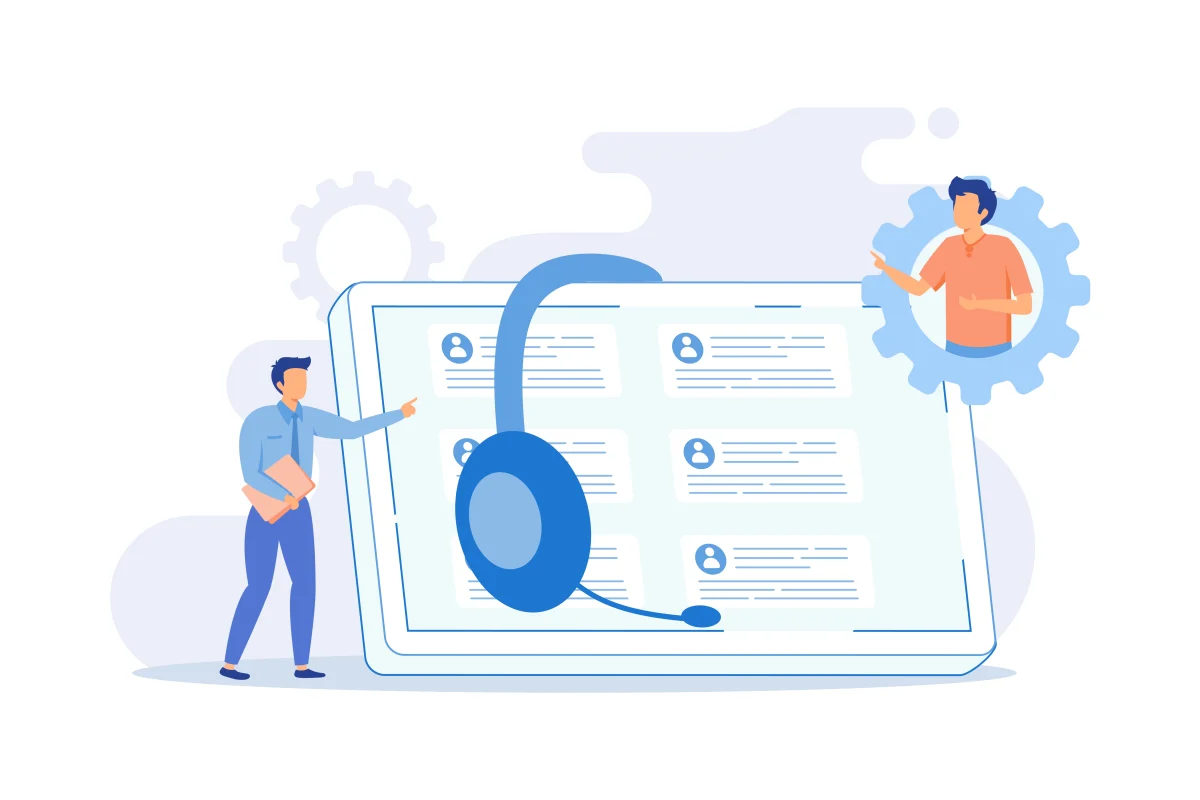
Modern support teams need more than basic ticket tracking; they need structured control over roles, workflows, and accountability. IVPHUB brings this structure into one unified helpdesk environment by enabling teams to configure user roles dynamically within live workflows. It reduces dependency on manual coordination by aligning permissions, assignments, and escalations directly with ticket movement. With this approach, support operations become more predictable, faster, and easier to manage at scale without adding operational complexity.
Centralized Role Management for Unified Control
All user roles are managed from a single dashboard, reducing confusion across departments. This ensures consistent access rules and eliminates scattered role definitions.
Workflow-Linked Role Assignment for Real-Time Accuracy
Roles are directly connected to workflow stages, ensuring the right user handles the right task at the right time. This removes delays caused by manual assignment.
Automated Ticket Routing for Faster Response
Tickets are automatically assigned based on predefined rules such as category and priority. This improves response speed and reduces workload imbalance.
Controlled Access Through Role-Based Permissions
Each role has defined access levels for viewing, updating, and escalating tickets. This strengthens security and prevents unauthorized actions.
Seamless Cross-Team Collaboration Without Conflicts
Multiple teams can work on the same ticket with structured handovers. This improves coordination while maintaining accountability across departments.
Configuring user roles is no longer a one-time setup. It is a continuous process that shapes how support teams perform.
A flexible helpdesk workflow system:
Streamline your support operations with structured role-based workflows designed for efficiency and control. Reach out to us to explore how IVPHUB can help simplify and scale your helpdesk management.
Organizations that adopt dynamic role configuration gain a clear advantage in managing support operations effectively.