


Disconnected Business…
Learn how…

Project Delays Reduce Through Real Time Deadline Monitoring Systems and Control
August 20, 2026
Boost Workplace Decisions Using Recognition Tracking Analytics Systems
August 26, 2026Project Delays Reduce Through Real Time Deadline Monitoring Systems and Control
August 20, 2026Boost Workplace Decisions Using Recognition Tracking Analytics Systems
August 26, 2026
Skill development has moved far beyond occasional training sessions. Modern organizations need continuous learning systems that can adapt to changing roles, technologies, and business demands. Without structure, training often becomes inconsistent, difficult to track, and disconnected from real performance needs.
This is where structured course assignment workflows create real impact. They bring order to learning programs by ensuring employees receive the right training at the right time, based on role, skill gap, and business priorities. Instead of random course allocation, learning becomes systematic, measurable, and outcome-driven.
Structured course assignment workflows are rule-based learning systems that automatically assign training courses to employees based on predefined logic.
These workflows remove manual effort from L&D teams and ensure every employee follows a guided learning path.
This approach ensures consistency across departments while still allowing personalization based on employee roles and capabilities.
Many organizations still rely on manual training assignments, which creates several limitations:
These gaps slow down workforce development and reduce the effectiveness of learning investments.
Structured workflows remove these inefficiencies by creating a unified learning system aligned with organizational skill development strategy.
Role-Based Learning Assignment
Courses are assigned based on employee roles, departments, and responsibilities. This ensures that learning content directly supports job requirements.
A sales executive and a finance analyst receive completely different learning paths aligned with their functions.
Skill Gap Detection and Mapping
Skill gaps are identified by comparing current employee competencies with required skill standards.
Once gaps are detected, relevant courses are automatically assigned, reducing delays in upskilling.
Automated Enrolment Rules
Workflow rules determine when and how courses are assigned:
This ensures learning is continuous and timely.
Structured Learning Path Creation
Learning is organized into step-by-step paths instead of isolated courses. Employees move from foundational modules to advanced topics in a structured manner.
This improves retention and builds stronger capability progression.
Progress Tracking and Completion Monitoring
Every learning activity is tracked in real time:
This gives managers full visibility into employee development.
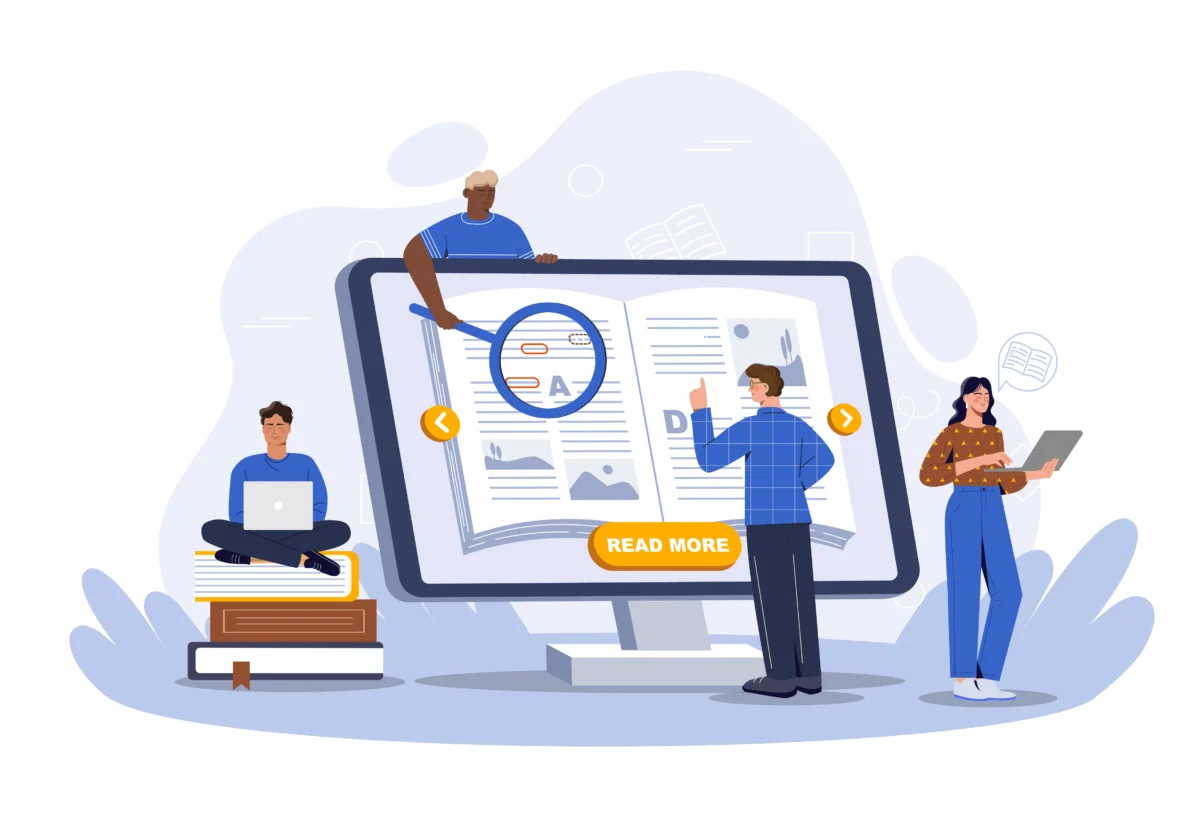
Structured course assignment workflows directly improve how employees learn and grow within an organization.
Key benefits include:
Employees no longer wait for training assignments. Learning becomes part of their daily workflow.
Automation is the foundation of structured course assignment workflows. It removes dependency on manual decisions and ensures learning delivery is consistent and scalable.
Automation supports:
This creates a connected learning ecosystem HR instead of isolated training events.
Data plays a critical role in improving learning outcomes.
Organizations can use structured workflows to:
With data visibility, L&D teams shift from reactive training to proactive skill development planning.
One of the strongest advantages of structured course assignment workflows is personalization without manual effort.
Employees receive learning paths based on:
This ensures that every employee follows a relevant and meaningful learning journey supported by employee skill development systems.
Structured learning systems do more than improve training processes. They directly impact organizational performance.
Key outcomes include:
Skill development becomes a measurable business function rather than a support activity powered by learning management workflow automation.
To get maximum value from structured learning systems, organizations should focus on:
These practices ensure learning systems remain relevant and effective over time.

Even structured systems can fail if not implemented correctly.
Avoid:
Continuous refinement is essential for long-term success.
IVPHUB enables organizations to streamline skill development through structured, automated course assignment workflows that align learning with business objectives. By combining intelligent rule-based systems with real-time tracking, IVPHUB ensures that employees receive relevant training based on their roles, performance, and skill gaps. It eliminates manual intervention, improves consistency in learning delivery, and builds a scalable framework for continuous workforce development.
Automated Role-Based Course Assignment
IVPHUB assigns courses automatically based on job roles, departments, and hierarchy levels.
This ensures every employee receives relevant and standardized learning aligned with their responsibilities.
Smart Skill Gap Identification
The system maps employee skills against required competencies in real time.
Courses are triggered automatically to close gaps, enabling faster and targeted upskilling.
Workflow-Driven Learning Automation
IVPHUB uses predefined triggers such as onboarding, promotions, and performance reviews.
This ensures timely course assignment without manual follow-ups or delays.
Structured Learning Path Management
Courses are organized into progressive learning paths tailored to roles and growth stages.
Employees move systematically from basic to advanced skills, improving knowledge retention.
Real-Time Progress Tracking and Insights
Managers can monitor course completion, assessments, and engagement through dashboards. This improves visibility and helps measure the actual impact of training programs.
Seamless Integration with HR and Performance Systems
IVPHUB connects learning workflows with HR operations and performance management.
This creates a unified system where skill development directly supports business outcomes.
Scalable Learning Ecosystem for Organizations
The platform supports large-scale training across teams, locations, and departments. It ensures consistent learning delivery while adapting to evolving organizational needs.
Structured course assignment workflows redefine how organizations approach skill development. They bring clarity, consistency, and automation into learning systems, ensuring employees receive the right training at the right time.
Unlock structured skill development with IVPHUB and streamline your course assignment workflows with ease. Connect with us to explore how IVPHUB can transform your employee learning ecosystem.
When combined with data and personalization, these workflows create a scalable and future-ready learning ecosystem that supports both employee growth and business success within modern employee training automation software systems.
They are rule-based systems that automatically assign training courses to employees based on role, skill gaps, or business triggers. This removes manual assignment and ensures consistent learning delivery across the organization.
They ensure employees follow a guided learning path aligned with job requirements and capability needs. This improves skill relevance and reduces random or repetitive training.
It ensures employees receive training that matches their job responsibilities and performance expectations. This increases learning efficiency and directly supports job readiness.
Automation assigns courses instantly based on triggers like onboarding, promotions, or skill gaps. It eliminates delays and keeps learning continuous without manual intervention.
Skill gap analysis identifies missing competencies between current and required skills. Workflows then automatically assign targeted courses to close those gaps quickly.
Employees receive relevant, personalized learning paths instead of generic training lists.
This increases participation, completion rates, and long-term learning interest.
Yes, they assign courses at multiple stages such as onboarding, role changes, and performance cycles. This ensures learning continues throughout the employee lifecycle.
Every course activity is monitored in real time, including completion status and assessment scores. This helps managers measure learning effectiveness and employee development progress.
They improve workforce capability alignment, reduce training inefficiencies, and increase productivity. Organizations can directly connect learning outcomes with performance improvement.
They use data-driven insights to predict skill gaps before they become critical. This helps organizations prepare employees for future roles and changing business demands.