

Approval Delays…
Discover the…

Expense Management Systems Break When Payouts Are Not Automated
April 23, 2026
Performance Management Reduces Administrative Burden with Smart Automation
May 1, 2026Expense Management Systems Break When Payouts Are Not Automated
April 23, 2026Performance Management Reduces Administrative Burden with Smart Automation
May 1, 2026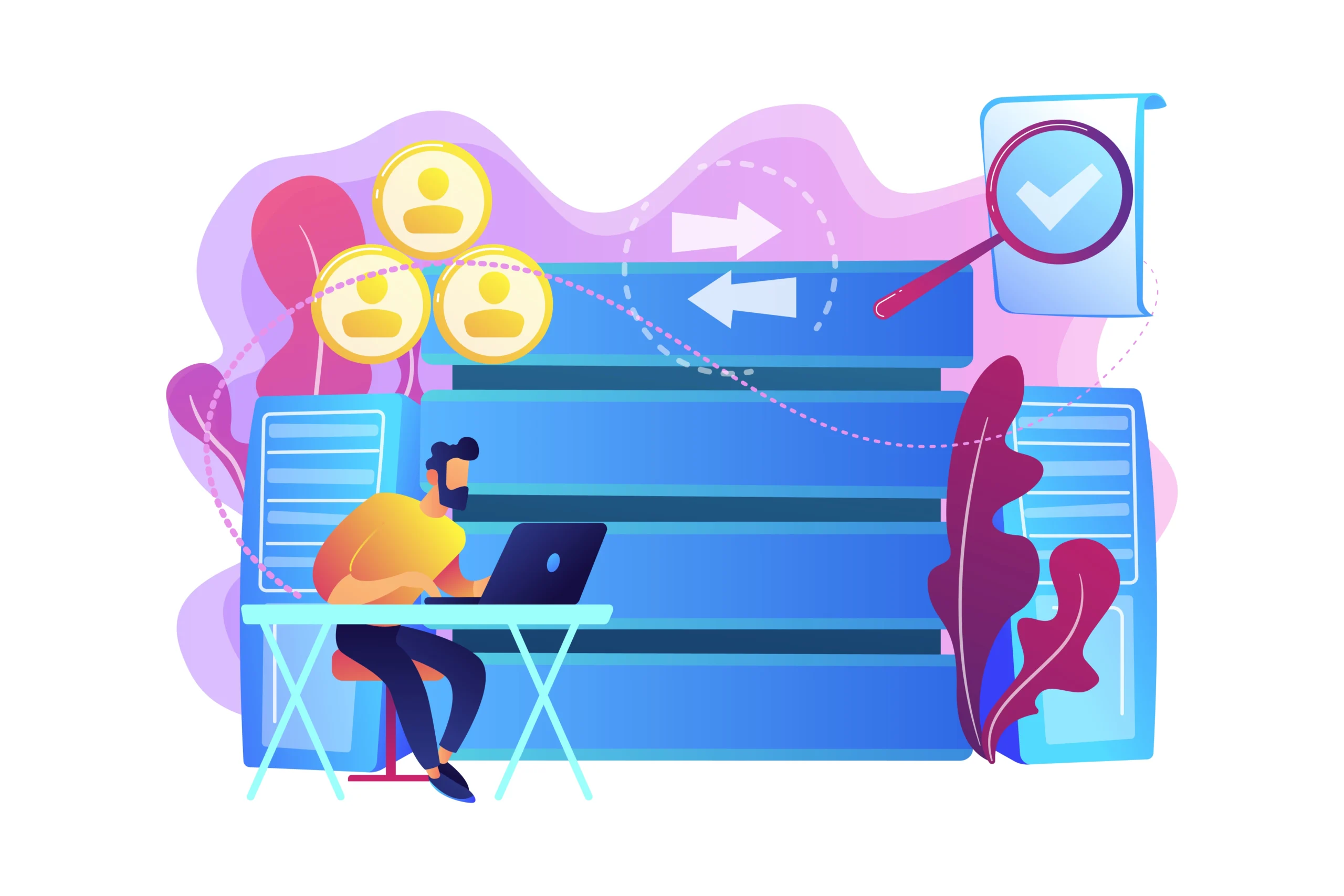
In most organizations, assets quietly slip out of control long before anyone notices. A laptop is reassigned but never updated in the system. A machine is moved to another site without documentation. A software license is renewed unnecessarily because no one is sure it is still in use.
This is exactly how businesses lose track of assets in real operations. It is rarely a single failure. It is a gradual breakdown of visibility, communication, and accountability.
The result is predictable. Costs increase, productivity drops, and decisions are made on incomplete or outdated information. Teams start reacting instead of planning. Finance overbuys. Operations underutilize. IT struggles to maintain accuracy.
This is where asset lifecycle management becomes essential. It creates structure around every asset from the moment it is acquired until it is fully retired, ensuring nothing falls through the cracks.
Asset lifecycle management is a structured approach to tracking, maintaining, optimizing, and retiring assets across their entire lifespan. It ensures that every asset is accounted for, monitored, and aligned with business goals at every stage.
Unlike simple tracking systems, lifecycle management connects operational, financial, and technical data into one continuous flow of information.
This becomes especially important in IT asset lifecycle management, where hardware, software, and digital infrastructure must be tracked with precision. Even a small gap in visibility can lead to security risks, compliance issues, or unnecessary spending.
It also supports broader systems like digital asset management, where organizations handle large volumes of digital files, software tools, and cloud resources that must remain organized and accessible.
The goal is not just to know where an asset is but to understand how it is performing, how much value it is delivering, and when it should be replaced or retired.
Fragmented Systems Across Departments
One of the most common reasons assets become untraceable is fragmentation. Procurement may use one system, IT another, and finance a completely different one. Each department records asset data differently, leading to mismatched information.
Over time, these inconsistencies make it impossible to get a clear picture of total asset inventory.
Heavy Dependence on Manual Processes
Spreadsheets are still widely used for asset tracking in many organizations. While flexible, they are not designed for scale or real-time updates.
Manual entry introduces errors, duplicates, and outdated records. Once the number of assets grows beyond a certain point, maintaining accuracy becomes nearly impossible.
Lack of Real-Time Monitoring
Without real-time updates, asset data becomes historical instead of actionable. Teams often discover issues only after something has gone wrong such as a missing asset, unexpected downtime, or expired maintenance.
No Clear Ownership Structure
When assets are not assigned clear owners, responsibility becomes blurred. Devices get transferred, shared, or relocated without proper updates, making tracking unreliable.
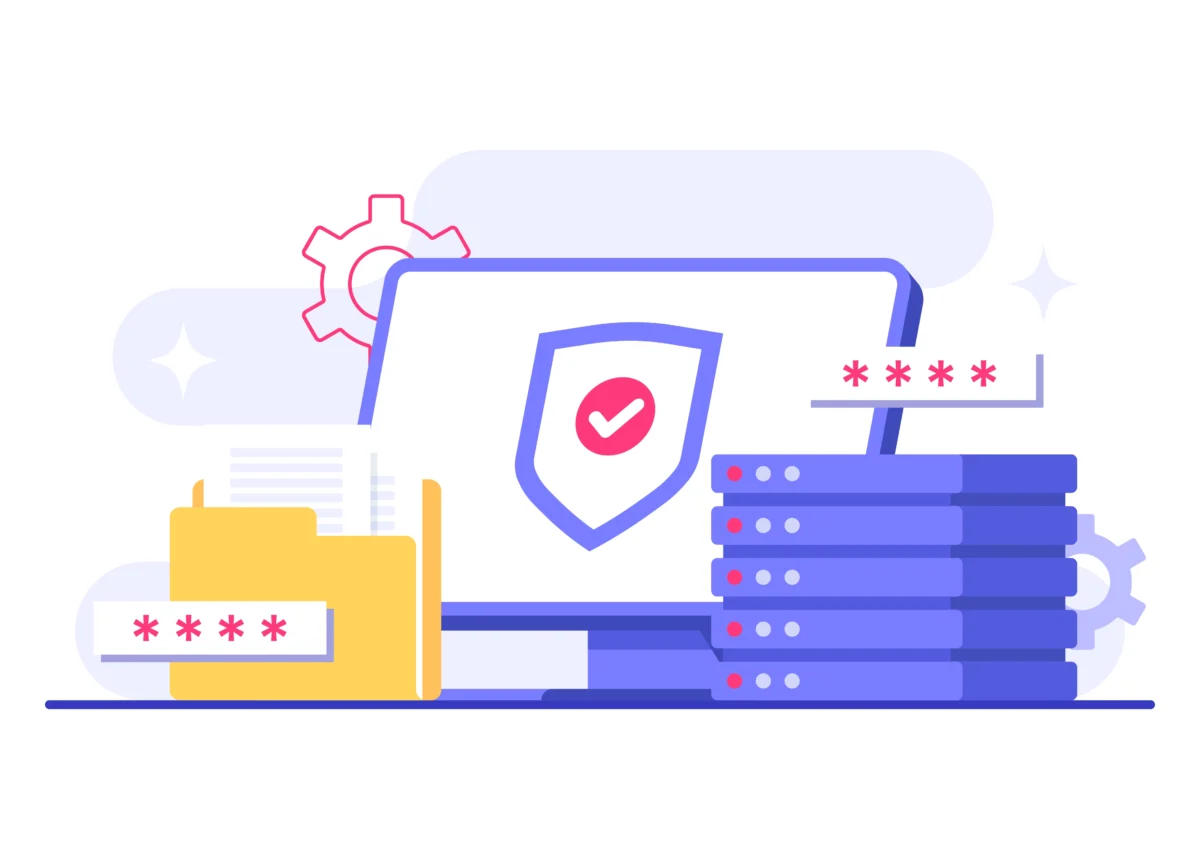
Every asset moves through a series of defined phases. These stages of asset lifecycle help organizations maintain control and visibility from start to finish.
Planning and Procurement Stage
This is where the lifecycle begins. Businesses identify what assets are needed, why they are needed, and how they will support operations.
Strong planning prevents unnecessary purchases and ensures alignment with long-term business strategy. Budget allocation, vendor selection, and standardization are key activities in this stage.
Acquisition and Deployment Stage
Once an asset is purchased, it must be properly recorded and deployed. This includes tagging, registration, configuration, and assignment to a specific user or department.
Without proper documentation at this stage, tracking becomes difficult later in the lifecycle.
Utilization and Operational Stage
This is the longest phase in most asset lifecycles. Assets are actively used to generate value for the business.
Monitoring performance during this stage is critical. It helps identify inefficiencies, underutilized resources, and potential risks before they become serious problems.
Maintenance and Support Stage
Every asset requires ongoing maintenance to remain functional and efficient. This stage includes both preventive and corrective maintenance.
Preventive maintenance reduces breakdowns and extends asset life. Corrective maintenance addresses unexpected failures, but without proper tracking, it can become costly and disruptive.
Upgrade and Optimization Stage
As assets age or business needs evolve, performance may decline. At this stage, organizations evaluate whether to upgrade, repurpose, or replace assets.
This decision is often based on cost, efficiency, and operational impact.
Retirement and Disposal Stage
The final phase is the asset retirement and disposal process, where assets are safely removed from active use.
This stage is critical for compliance, data security, and environmental responsibility. Improper disposal can lead to data breaches or regulatory penalties.
When lifecycle management is not in place, problems accumulate across the organization:
These challenges do not remain isolated. They affect each other, creating a cycle of inefficiency that becomes harder to break over time.
Full Asset Visibility in Real Time
A centralized system ensures that every asset is visible at all times. Teams no longer rely on outdated spreadsheets or incomplete records.
Better Financial Control
With accurate data, organizations avoid unnecessary purchases and extend the life of existing assets. This leads to significant cost savings over time.
Higher Asset Utilization
When usage patterns are visible, underused assets can be reassigned or optimized. This improves overall efficiency across departments.
Reduced Downtime Through Predictive Maintenance
By tracking performance data, businesses can identify issues early and schedule maintenance before failures occur.
Improved Compliance and Audit Readiness
Complete and accurate records make audits faster and easier. Organizations can demonstrate full control over their assets at any time.
Cloud Asset Management Systems
Modern organizations increasingly rely on cloud asset management platforms to centralize asset data. These systems allow access from anywhere, making them ideal for distributed teams.
Cloud Based Asset Tracking
With cloud-based asset tracking, organizations gain real-time visibility across multiple locations. This eliminates delays in updates and improves decision-making speed.
Automation for Efficiency
Automation reduces manual workload by handling repetitive tasks like updates, alerts, and reporting. This improves accuracy and consistency.
IoT Integration for Real-Time Insights
IoT-enabled devices provide live data on asset condition, location, and performance. This helps organizations move from reactive to proactive management.
AI-Driven Analytics
AI analyses large datasets to identify trends, predict failures, and recommend actions. This transforms asset management from operational to strategic.
Many organizations struggle because of avoidable mistakes:
IT and Technology
In IT environments, IT asset lifecycle management ensures control over hardware, software, and cloud resources. It helps prevent security risks and reduces unnecessary licensing costs.
Manufacturing
Manufacturers rely on lifecycle management to maintain machinery efficiency and reduce production downtime.
Healthcare
Hospitals use lifecycle systems to track medical equipment for safety, compliance, and availability.
Logistics and Supply Chain
Fleet vehicles and operational equipment are tracked to improve efficiency and reduce operational losses.
IVPHUB provides a unified approach to asset lifecycle management by bringing all asset-related processes into a single intelligent system. From acquisition and tracking to maintenance and final disposal. It helps organizations maintain complete visibility and control over their assets in real time.
IVPHUB eliminates scattered data by consolidating all asset records into a single system. Every asset is tracked from procurement to retirement, ensuring complete transparency across departments. This helps organizations avoid confusion caused by duplicate or missing records.
With continuous monitoring, IVPHUB ensures that asset status is always updated. Teams no longer depend on manual updates or delayed reporting. This reduces the risk of losing track of assets and improves operational accuracy across locations.
IVPHUB enhances IT asset lifecycle management by tracking hardware, software, and digital resources in one place. It also supports broader digital asset management, allowing organizations to manage both physical and digital assets efficiently without system fragmentation.
By leveraging modern infrastructure, IVPHUB supports scalable cloud asset management, enabling access from anywhere. This ensures seamless collaboration between remote teams and multiple business units without losing data consistency.
IVPHUB helps organizations plan preventive maintenance and track service history effectively. This reduces unexpected breakdowns and extends asset life, ensuring better return on investment across the entire lifecycle.
The platform supports structured end-of-life processes, ensuring proper documentation and compliance during the asset retirement and disposal process. This reduces risk, improves audit readiness, and ensures responsible asset disposal.
The evolution of asset management is closely tied to digital transformation:
These developments are making asset management more intelligent, predictive, and efficient.
Losing track of assets is not just an operational issue it is a structural one. Without visibility, organizations operate in uncertainty, leading to wasted resources and poor decision-making.
Asset lifecycle management brings order to this complexity. By tracking every stage from acquisition to asset retirement and disposal process businesses gain complete control over their resources.
Looking to gain full control over your asset lifecycle with real-time visibility and smarter tracking? Connect with us today and fill out our form to explore how our software can simplify and optimize your asset management.
With modern tools like cloud-based asset tracking, organizations can finally achieve real-time visibility, stronger accountability, and long-term efficiency that directly supports business growth.
Asset lifecycle management is the process of tracking an asset from purchase to disposal. It ensures every stage is controlled, visible, and optimized for value.
Businesses lose track of assets due to scattered systems and manual tracking methods. Lack of real-time updates leads to missing or outdated asset information.
The main stages include planning, procurement, usage, maintenance, and retirement. Each stage defines how an asset is controlled and optimized over time.
It connects all asset data into one system for complete visibility. This reduces duplication, mismanagement, and operational blind spots.
It is the structured tracking of IT hardware, software, and digital resources. It ensures assets are efficiently used, maintained, and replaced when needed.
Cloud asset management centralizes asset data for real-time access. It improves collaboration and removes dependency on local spreadsheets or manual logs.
It is a system that updates asset status in real time using cloud platforms. It ensures accurate tracking across multiple locations and teams.
IVPHUB centralizes all asset records into one platform for complete transparency. It provides real-time updates across the entire asset lifecycle.
It ensures assets are safely removed, documented, and disposed of properly. This supports compliance, security, and cost control at end-of-life stage.
Yes, it reduces unnecessary purchases and improves asset utilization. Better tracking also minimizes downtime and maintenance expenses.