


Reduce Policy…
Streamline approvals…
Fix Operational Blind Spots with Continuous Timesheet Management Tracking
August 12, 2026
Project Delays Reduce Through Real Time Deadline Monitoring Systems and Control
August 20, 2026Fix Operational Blind Spots with Continuous Timesheet Management Tracking
August 12, 2026Project Delays Reduce Through Real Time Deadline Monitoring Systems and Control
August 20, 2026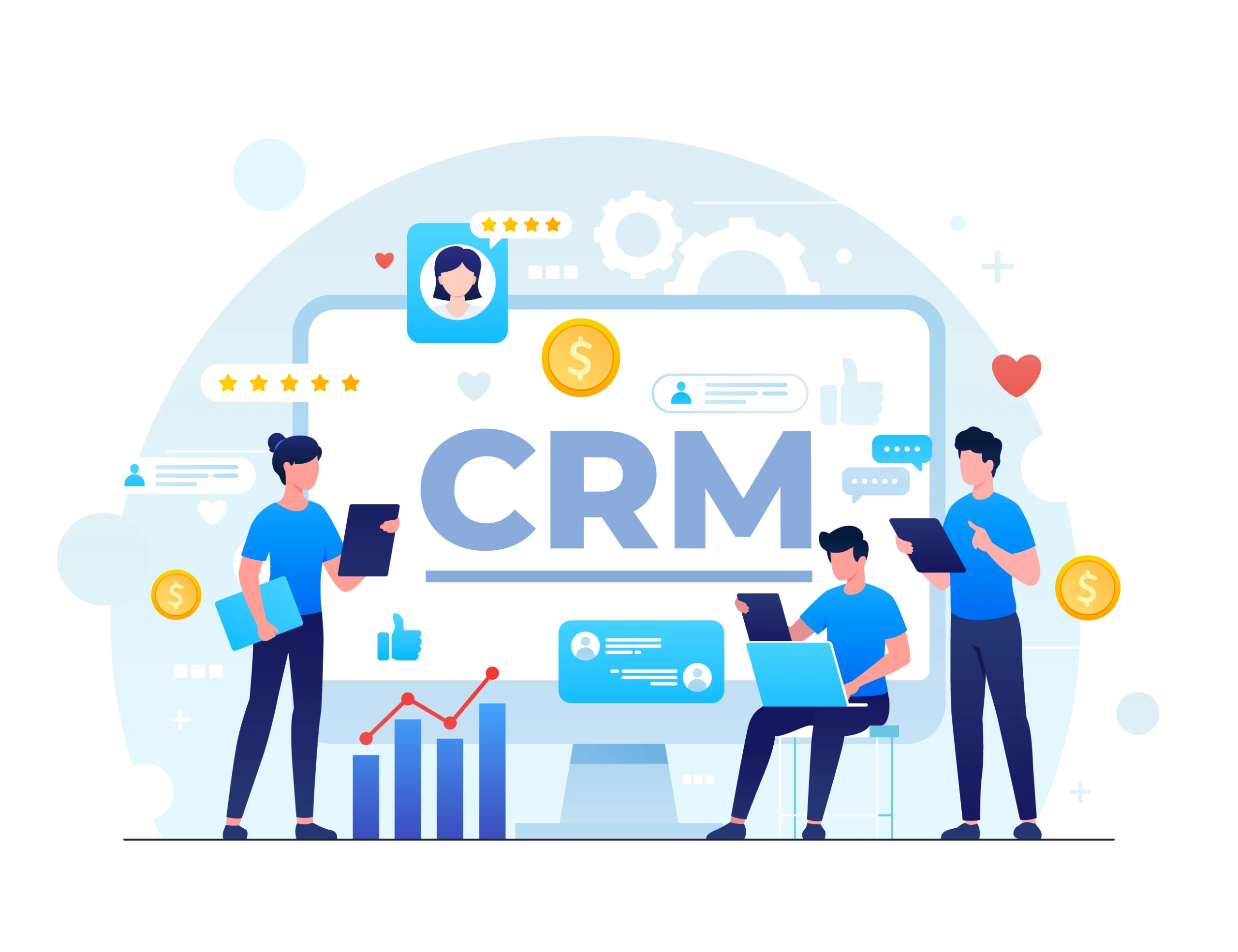
Lead forecasting is no longer just a reporting exercise. It has become a critical part of revenue planning, investor communication, and sales execution strategy. Yet many organizations still struggle to predict revenue with accuracy.
The core issue is simple. Leads move through multiple channels, but forecasting systems often fail to reflect real-time pipeline movement. Sales leaders end up relying on outdated reports, delayed updates, or assumptions based on incomplete data.
When pipeline visibility is not continuous, forecasting becomes reactive instead of predictive. This creates gaps between expected revenue and actual outcomes. CRM-based pipeline monitoring changes this by turning forecasting into a live, data-driven process using CRM pipeline monitoring software.
Accurate forecasting depends on how well pipeline data is captured, updated, and interpreted. Most forecasting errors come from operational gaps rather than strategy issues.
Fragmented lead data across systems
Leads enter from multiple sources such as marketing campaigns, referrals, outbound outreach, and partnerships. When this data is not unified, sales teams work with incomplete pipeline visibility. This fragmentation weakens forecasting accuracy from the start.
Delayed CRM updates from sales teams
Sales representatives often update deal stages after multiple interactions instead of in real time. This delay creates a mismatch between actual pipeline movement and CRM records. Forecasting based on outdated data leads to incorrect revenue projections.
Inconsistent lead qualification standards
Different team members often interpret “qualified lead” differently. Without standardized qualification rules, pipeline value becomes inflated or inconsistent. This directly impacts forecast reliability.
Static forecasting cycles
Many organizations still depend on monthly or quarterly forecasting cycles. These static snapshots fail to capture rapid changes in deal movement, especially in fast-moving sales environments.
Lack of visibility into deal stagnation
Leads often remain in the same stage for long periods without detection. Without pipeline aging insights, stalled opportunities continue to inflate forecast numbers.
Forecasting errors do not stay limited to sales reports. They affect core business decisions across departments.
Revenue planning becomes unreliable
When forecasts are inflated or delayed, revenue targets lose accuracy. This creates misalignment between expected and actual performance.
Sales capacity planning gets distorted
Hiring decisions, territory planning, and quota distribution depend on forecasting data. Poor accuracy leads to either overstaffing or under-resourcing sales teams.
Marketing investment loses direction
If lead quality and conversion patterns are unclear, marketing budgets are allocated inefficiently. This reduces overall ROI from acquisition campaigns.
Leadership confidence declines
Unstable forecasting reduces trust between sales teams and leadership. It becomes difficult to plan long-term strategies with confidence.
CRM pipeline monitoring creates continuous visibility into how leads move through each stage of the sales funnel. These shifts forecasting from assumption-based planning to real-time tracking.
Real-time pipeline visibility
CRM monitoring ensures every deal stage is updated as activity happens. This allows leadership to view current pipeline health instead of outdated snapshots.
Standardized deal progression tracking
Each lead follows a defined stage structure. This ensures consistency in how opportunities are evaluated and forecasted across teams.
Unified sales data structure
All lead information, activities, and communications are stored in a centralized system. This removes data silos and improves forecasting consistency.
Continuous movement tracking
Every interaction, update, or inactivity is recorded. This makes it easier to understand how quickly deals are progressing or slowing down.

A closely monitored CRM alerts & notifications directly improves the reliability of revenue forecasting by improving data quality and decision speed.
When all teams operate on the same data, forecasting becomes more aligned across sales, marketing, and finance functions. This eliminates conflicting revenue assumptions supported by a CRM pipeline visibility tool.
CRM monitoring highlights stalled or inactive deals. This allows sales managers to take corrective action before opportunities are lost or overestimated.
Instead of treating all deals equally, CRM systems assign probability values based on stage progression and historical conversion data. This produces more realistic revenue forecasts.
As deals move forward or drop off, forecasting updates automatically. This ensures leadership always works with the latest pipeline conditions.
Forecasting shifts from individual intuition to structured data analysis. This improves CRM analytics for sales teams and reduces bias in decision-making.
Not all CRM systems are designed for accurate forecasting. Effective pipeline monitoring requires specific capabilities that support real-time decision-making.
Pipeline visibility dashboard
A clear view of all deals categorized by stage, value, and probability helps leaders understand overall pipeline health instantly.
Lead scoring system
Automated scoring helps prioritize leads based on engagement, fit, and behaviour. This improves accuracy in forecasting high-value opportunities.
Activity tracking integration
Calls, emails, meetings, and follow-ups must be linked to each lead. Activity patterns help predict deal movement more accurately.
Deal movement alerts
Notifications for stalled or progressing deals ensure that no opportunity is overlooked or misrepresented in forecasts.
Historical forecast comparison
Tracking planned versus actual outcomes helps identify forecasting gaps and improve future prediction models.
Many organizations struggle with forecasting due to avoidable operational issues rather than technology limitations.
Overreliance on spreadsheets
Manual tracking systems cannot provide real-time updates, leading to outdated forecasts.
Lack of CRM discipline
When sales teams do not consistently update deal stages, pipeline accuracy declines rapidly.
Ignoring lead aging signals
Deals that remain inactive are often still counted in forecasts, inflating revenue expectations.
Disconnected sales tools
When CRM is not integrated with communication platforms, activity tracking becomes incomplete.
Modern CRM platforms designed for pipeline monitoring address forecasting challenges through automation and structured intelligence, helping businesses understand how to reduce errors in sales forecasting.
Unified pipeline tracking
All deals are monitored in a single system with real-time updates across stages.
Intelligent forecasting engine
Revenue predictions are generated using weighted probabilities and historical conversion behaviour.
Deal health monitoring
Inactive or high-risk deals are automatically flagged for review.
Leadership-ready dashboards
Decision-makers gain clear visibility into revenue trends, pipeline health, and forecast accuracy.

IVPHUB supports organizations in building a more accurate and structured lead forecasting system by strengthening real-time pipeline visibility and improving data consistency across sales teams. By centralizing lead tracking, activity updates, and deal progression, IVPHUB reduces dependency on manual reporting and fragmented tools.
IVPHUB provides continuous visibility into every deal stage, ensuring sales leaders always work with updated pipeline data. This reduces forecasting gaps caused by delayed updates or missing information.
Each lead is tracked through defined stages with consistent rules for progression. This helps eliminate ambiguity in deal qualification and improves forecasting accuracy across teams.
All lead activity, communication, and updates are stored in one unified system. This removes data fragmentation and ensures forecasting is built on a single source of truth.
The system connects calls, emails, meetings, and follow-ups directly to deal progression. These activity signals help predict conversion probability more accurately.
IVPHUB encourages consistent CRM usage across sales teams, ensuring that pipeline updates are timely and standardized. This directly improves forecast reliability and reduces human error.
Instead of relying on assumptions, forecasting is supported by live pipeline behaviour and historical conversion patterns. This improves long-term revenue planning accuracy.
Organizations that implement continuous pipeline monitoring experience measurable improvements in sales predictability.
Lead forecasting is no longer about predicting outcomes based on past assumptions. It is about observing real-time pipeline movement and converting it into structured revenue intelligence.
When CRM pipeline monitoring is implemented effectively, forecasting becomes a continuous process rather than a periodic exercise.
Strengthen your revenue planning with clearer pipeline visibility and accurate forecasting.
Connect with us to explore how our software can streamline your CRM-driven sales process.
This shift enables organizations to plan with confidence, allocate resources accurately, and maintain consistent revenue visibility across the business.
Lead forecasting fails due to delayed CRM updates, inconsistent lead qualification, and fragmented pipeline data. Without real-time visibility, forecasts are built on outdated and incomplete sales information.
It provides real-time visibility into deal movement across every stage of the pipeline. This ensures forecasts are always based on current sales activity, not assumptions.
The biggest reason is lack of updated pipeline data from sales reps. When deal stages are not updated on time, forecast models become misaligned with reality.
Better pipeline visibility ensures every deal is tracked with correct stage and probability.
This reduces guesswork and improves revenue prediction reliability.
CRM acts as the central system for tracking leads, activities, and deal progression. It converts raw sales activity into structured forecasting data.
Errors reduce when forecasting is driven by real-time pipeline updates instead of manual reporting. Automated tracking ensures deal movement is reflected instantly in forecasts.
Real-time data ensures forecasts reflect current deal status and not historical snapshots.
This helps leaders react faster to pipeline changes and risks.
Forecasts become inflated because inactive or stalled deals remain counted as active revenue. This leads to unrealistic targets and poor sales planning.
CRM provides structured insights into deal stages, conversion patterns, and pipeline health.
This enables more accurate revenue planning and resource allocation.
CRM-based forecasting uses live pipeline data instead of spreadsheets or assumptions.
This improves consistency, accuracy, and overall revenue predictability.